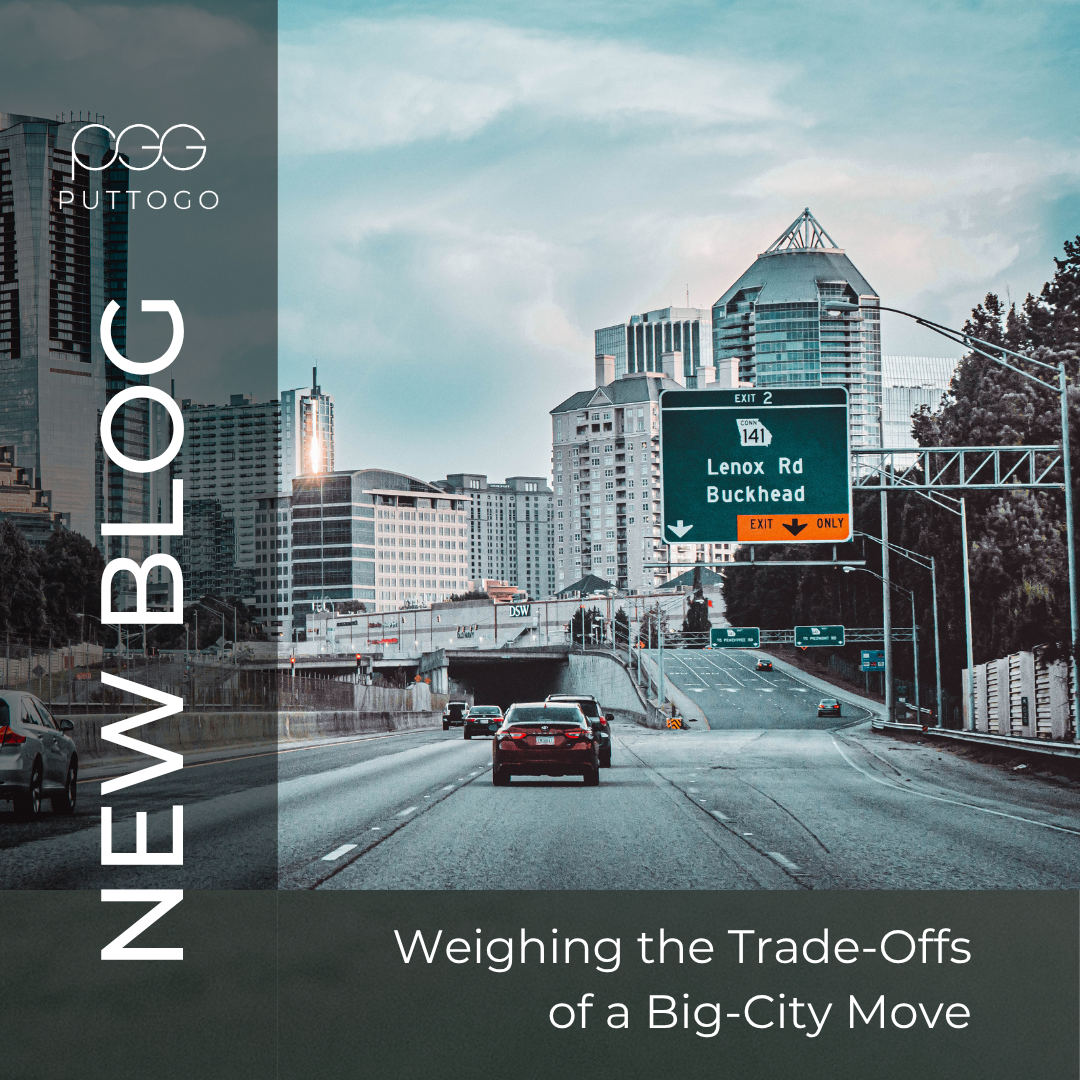
The decision to relocate to a major metro is one of the most significant moves a person can make — financially, professionally, and personally. Having guided clients through this transition across Atlanta's luxury markets and internationally, one pattern holds: the people who thrive are the ones who plan for the reality, not just the highlight reel. The pull of a big city is real — more opportunity, more energy, more access to the kind of life you've been building toward. But the trade-offs deserve an honest look before you sign anything.
The Short Version
- Big cities offer more career options and amenities at a meaningfully higher cost of living.
- Housing will likely be your largest expense and the hardest thing to secure from afar.
- Getting around without a car is often faster and cheaper once you learn the system.
- A relocation is a natural moment to invest in yourself and your future earning power.
- Planning finances and logistics early prevents most first-month regrets.
The gap between small-town life and metro living shows up fastest in your budget — and in how well you prepared before arriving.
Small Town Versus City Living
Factor | Small Town | Big City |
Housing | Lower cost, more space | Higher cost, less space |
Commute | Car-dependent | |
Job market | Limited fields | Broad, competitive |
Social scene | Familiar, slower | Diverse, fast-paced |
In a growing metro like Atlanta — where submarkets such as Buckhead, Sandy Springs, Alpharetta, and Dunwoody continue to appreciate — neighborhood selection compounds quickly into long-term financial impact. Once you've settled on a city, a handful of details deserve a hard look before you commit to a specific area.
What to Research Before You Sign
- Average rent and deposit norms for the areas you're weighing
- The building's condition and the landlord's reputation
- Safety data and how the area feels after dark
- Proximity to groceries, healthcare, and green space
- Whether utilities, parking, or HOA fees are bundled — these alone can shift a "good deal" by $300–$500 a month. A local expert surfaces what online listings won't: which buildings have maintenance issues, which areas are mid-transition, and where inventory is tightening
Making the Move a Career Springboard
Relocation naturally resets your routines — make it a reset of your ambitions too. The best career moves and the smartest real estate decisions often happen at the same time, because the underlying driver is the same: a commitment to growth. Big cities concentrate the employers, universities, and professional networks that reward expertise, making this an ideal moment to invest in yourself. Pursuing an advanced degree can widen your options and give you leverage in a crowded urban job market. Studying online means you can keep your paycheck while building new skills, without stepping away from work. If healthcare draws you, an accredited online master's in health administration can deepen your knowledge and prepare you to lead teams and departments.
A new city, a new credential, and a clear financial plan can reinforce each other in ways that none would achieve alone. When you're ready to execute, working through the details in the right order is what separates a stressful transition from a strategic one.
Steps to Make the Move Happen
- Build a monthly budget that reflects real city prices, then pad it.
- Line up income or a job offer before locking in a lease.
- Tour neighborhoods in person or virtually before committing.
- Book movers or a rental truck several weeks ahead.
- Update your address, insurance, and registrations.
- Set aside a small emergency fund for surprise costs.
If you're close to deciding, these questions tend to surface right before people commit.
Questions to Answer Before You Relocate
How much should I save before moving to a big city?
Aim for at least three to six months of living expenses to cover rent, deposits, and inevitable surprises. Many cities want first month, last month, and a security deposit up front, which adds up fast. A cushion also buys you time to find the right job rather than the first one.
Do I really need a car in a large city?
In many major metros, solid transit, ride-shares, and walkable blocks make car ownership optional or even a burden. Parking, insurance, and traffic can easily cost more than a monthly transit pass. Try living car-free for a few months before deciding whether you miss it.
Should I rent first or buy right away?
Renting first is almost always the right move for people new to a city. You need to live somewhere before you can truly know where you want to live — the neighborhood that looked perfect from a listing may not fit your daily routine at all, and discovering that after you've bought is expensive. That said, in appreciating markets, waiting too long has its own cost. In Atlanta's luxury submarkets — Buckhead, Sandy Springs, Alpharetta, Dunwoody — inventory moves quickly and values have continued to climb. A 12-month rental period typically provides enough time to understand the market and position for a well-informed purchase. The better question isn't "rent or buy?" — it's "when am I ready to buy, and what do I need to know first?" That's a conversation worth having with a local real estate expert before you arrive, not after.
How do I find a job before I move?
Start applying remotely and be upfront about your relocation plans, since many employers will interview candidates who show real commitment. Networking events, alumni groups, and industry meetups can open doors before you even arrive. An offer in hand removes the single biggest financial risk of moving.
Will a bigger salary cancel out the higher costs?
Not always, so run the numbers with a cost-of-living calculator before assuming a raise is real growth. A larger paycheck can vanish into rent, taxes, and daily expenses if you don't plan for them. The goal is pay that outpaces the cost increase, not one that merely matches it.
Bringing It All Together
A big-city move is one of the most significant financial decisions most people make outside of purchasing a home. The clients who navigate it well share one trait: they treated it like the investment it is, not just a change of scenery. Research your target market. Understand housing before you commit to it. Align your financial position with your timeline. And when you're ready to buy — in Atlanta or anywhere else — work with someone who knows the market well enough to show you not just what's available, but what's worth it. Puttogo Global Group specializes in guiding clients through major real estate transitions — from first moves to luxury acquisitions — across Atlanta's top submarkets and internationally. Reach out when you're ready to make your move count.
Blog by: Sharon Wagner
Discover your dream home in Atlanta with Puttogo Global Group, your trusted partner for expert guidance and personalized real estate services in this vibrant city!
Check out this article next