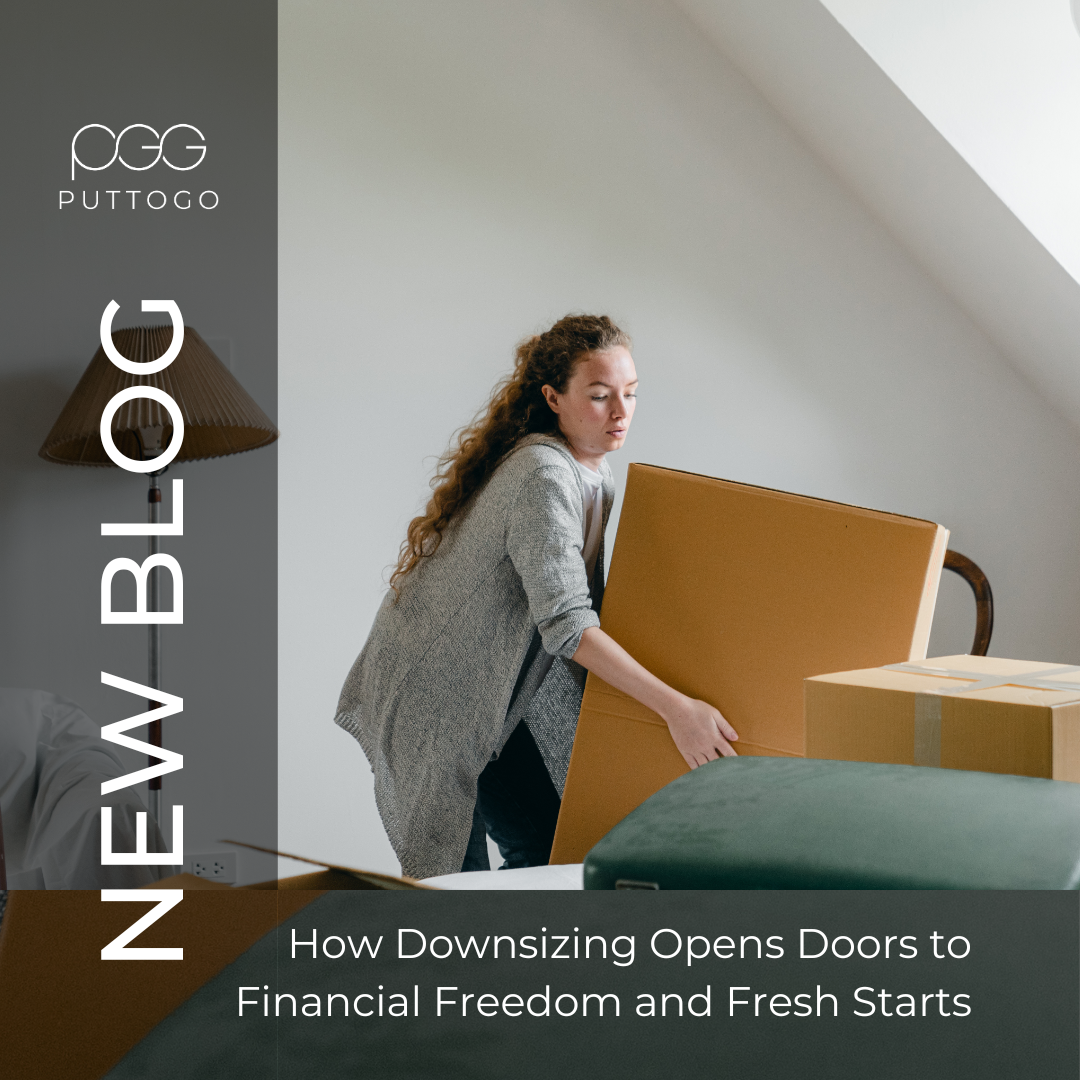
Atlanta-area homebuyers, longtime owners, and expats relocating into the metro often hit the same wall: a home that looked perfect on paper starts feeling heavy in real life. Between housing market challenges, inventory scarcity, and the pressure to move fast, it’s easy to end up stretched by payments, maintenance, commutes, and the constant mental load of managing too much space. Add relocation challenges, schools, timing, temporary housing, and unfamiliar neighborhoods, and lifestyle complexity turns into daily stress. For many households, downsizing motivation begins right here, when real estate pain points start calling the shots.
What Downsizing Really Means
Downsizing is not just moving into a smaller place. It is a deliberate decision to cut what drains your time, money, and attention so your home supports your life again. Think of it like organizational downsizing applied to housing: you reduce the load to improve how smoothly everything runs.
This matters because housing costs rarely stop at the mortgage or rent. When you scale back, you often lower monthly bills, reduce upkeep, and free up cash for savings, travel, or a career move. That flexibility can make buying, selling, or relocating feel less like a high-stakes gamble.
Picture an expat in a big rental with extra rooms that never get used. They switch to a right-sized home and the budget breathes again, with fewer repairs, less cleaning, and simpler routines.
With the definition clear, the real-life wins get easier to spot.
Picture the Payoff: 7 Wins You Can Feel Fast
Downsizing isn’t just “less house.” It’s choosing a home that fits your life right now, and using the savings, time, and simplicity to buy back breathing room.
- Run a “new housing payment” test drive: Pick a realistic target monthly payment for a smaller home (mortgage/rent + taxes + insurance + HOA) and live on that budget for 60 days. Move the “extra” money into a separate account weekly so it’s not tempting. If it feels doable, you’ve basically proven the financial benefits of downsizing before you even list your place.
- Turn extra rooms into dollars on paper: Walk your current home and label each space: daily use, weekly use, or storage-only. For anything that’s storage-only, estimate what it costs you to keep it (heating/cooling, cleaning, repairs, furniture you maintain). This simple reality check makes smaller home advantages obvious, and it also helps you decide what you’d rather pay for (travel, savings, hobbies) instead of empty space.
- Plan to unlock equity, then give it a job: If you’re selling a larger home and buying something more affordable, you may be able to unlock equity and redirect it into an emergency fund, debt payoff, or a “next chapter” fund. Before you shop, write down where that money will go in priority order (example: 3 months of expenses, then credit cards, then moving costs). The goal is increased disposable income you can actually feel, not just a smaller payment.
- Shrink your maintenance list to a one-page routine: Smaller homes often mean fewer systems to break and fewer weekend chores. Create a “must-do” home care list that fits on one page (filters, smoke detectors, basic yard care) and aim for 30 minutes a week plus one seasonal check. Many people find that less home maintenance creates more space for real life, especially if you’re relocating and want time to explore your new routines.
- Optimize space with ‘one in, one out’ zones: Pick three high-impact areas, closet, kitchen, and garage/storage, and set a rule: if something new comes in, something leaves. Use clear bins and label by category (not by room) so it’s easier to pack and easier to find later. This kind of space optimization keeps a smaller home feeling calm instead of cramped.
- Choose convenience upgrades that lower monthly stress: When you’re comparing homes, prioritize features that cut recurring costs or effort: smaller yard, durable flooring, fewer exterior surfaces, or an HOA that covers the big headaches you hate. For busy professionals and expats, “easy to maintain” can be worth more than “more square footage.” The win is reduced maintenance costs and fewer surprise repairs.
- Spend the savings on a lifestyle, not random leaks: Decide on one “visible reward” for downsizing, monthly travel fund, classes, a weekend budget, extra retirement contributions, or paying for help during the move. Automate it the same day your paycheck lands so it becomes your new normal. That’s how new lifestyle opportunities stop being a vague idea and start showing up on your calendar.
When you can see the payoff in your schedule and your bank account, the remaining questions get a lot easier to sort through, timelines, logistics, and which trade-offs you actually care about.
Downsizing Q&A to Calm the “What Ifs”
Q: How can downsizing help me achieve greater financial flexibility in an uncertain housing market?
A: A smaller place can lower your monthly burn rate so you are less stressed by rate changes and surprise repairs. Start by pricing your current home realistically and timing your move using research home sales in the neighborhoods you would actually buy into. Then assign every freed-up dollar a job like emergency savings, debt payoff, or moving costs so the “extra” does not disappear.
Q: What are some practical ways to simplify my living space and daily routines after downsizing?
A: Keep only what you use weekly and what you truly love, then design storage around categories, not rooms. Many people find downsizing is an opportunity to get rid of unnecessary items, and that clarity makes daily habits easier to maintain. Add one simple reset routine, like a 10-minute nightly tidy.
Q: How can embracing a smaller home support new lifestyle choices and reduce feelings of overwhelm?
A: With fewer spaces to manage, it is easier to protect your time and say yes to what matters, like travel, classes, or a new community. Choose a layout that supports your real routine, not your “someday” routine, and prioritize natural light, walkability, or low-maintenance features. A home that fits your current season often feels calmer, not cramped.
Q: What should I consider to manage stress and uncertainty when preparing to downsize and relocate?
A: Give yourself a clear timeline with decision deadlines for sorting, listing, and moving, then build in buffer weeks for surprises. Use a simple three-pile system: keep, donate, sell, and book key services early so you are not scrambling. If you are relocating across borders or states, gather documents first so logistics do not pile up at the end.
Q: If I want to start a small side business or venture after downsizing, how can I navigate the complexities of setting up the right legal structure?
A: Start by writing down your plan in plain language: what you sell, where you operate, and your risk level, then talk to a qualified attorney or tax pro about the structure that matches that reality. Compare business formation options only after you map your needs, especially around taxes, licenses, and ongoing compliance. Keep the goal simple: reduce personal stress by putting clear boundaries between you and the business.
Small steps, fewer obligations, and a clear plan can make the fresh start feel genuinely doable.
A Practical Downsizing Plan You Can Follow
Here’s how to move from intention to action.
This process helps you turn “downsizing someday” into a real plan: clearer finances, a sale-ready home, a focused search for a smaller place, and a move that does not spiral into chaos. It is especially useful for Atlanta-area individuals and expats who want a practical, ground-level checklist for buying or selling with fewer surprises.
- Step 1: Set your targets and timeline
Start by writing what you want the downsize to do for you: lower monthly costs, reduce maintenance, or free up cash for travel or a new venture. Build a calendar with decision dates for sorting, listing, and moving, since a realistic timeline keeps momentum when emotions or logistics get heavy. - Step 2: Run the numbers and assign every dollar
List your current housing costs, then estimate the new monthly payment, HOA fees, utilities, insurance, and commuting changes. Decide in advance where the difference goes, such as emergency savings, debt payoff, or funding the move, so the “extra” money does not get absorbed by lifestyle creep. - Step 3: Prep your current home for a clean sale
Do a fast walkthrough and note what will help buyers say yes quickly: decluttered surfaces, simple repairs, and a deep clean. Line up your agent, photos, and showing plan, then start boxing up non-essentials so your home feels spacious while you are still living in it. - Step 4: Shortlist smaller homes that fit your real life
Choose 5 to 7 non-negotiables based on how you live today, like fewer stairs, more light, dedicated work space, or low-maintenance outdoor areas. Tour only properties that match the list and your budget range, and keep a quick scorecard so decisions feel objective instead of emotional. - Step 5: Book moving logistics and handle any new-business setup
Confirm movers, donation pickups, and utility start dates early, then pack by category so unpacking is straightforward. If you are starting a side business during the transition, consider involving supportive family members and using ZenBusiness to keep filings and compliance from competing with moving week.
A simpler home and a cleaner plan make your fresh start feel achievable, not overwhelming.
Turning Downsizing Into Financial Freedom and a Fresh Start
Letting go of a bigger home can feel like giving something up, space, status, even a familiar routine. But the mindset that works is simple: treat downsizing as a deliberate reset, keeping the benefits of smaller homes front-and-center while embracing simplified living. When the numbers and the day-to-day finally line up, the opportunities from downsizing show up fast: more breathing room in the budget, less stuff to manage, and fresh start inspiration for what’s next in Atlanta. Downsizing isn’t shrinking your life, it’s clearing space for it. Set one small anchor for the new routine this week, choose a “keep list” for the essentials that will earn a place in the smaller place. That’s how a move becomes lasting stability, resilience, and motivation for lifestyle change.
Blog by: Sharon Wagner
Discover your dream home in Atlanta with Puttogo Global Group, your trusted partner for expert guidance and personalized real estate services in this vibrant city!
Check out this article next